

Computer and Mechanical Diagnostics for Audi, VAG, and Premium Vehicles
Diagnostics Instead of Guesswork
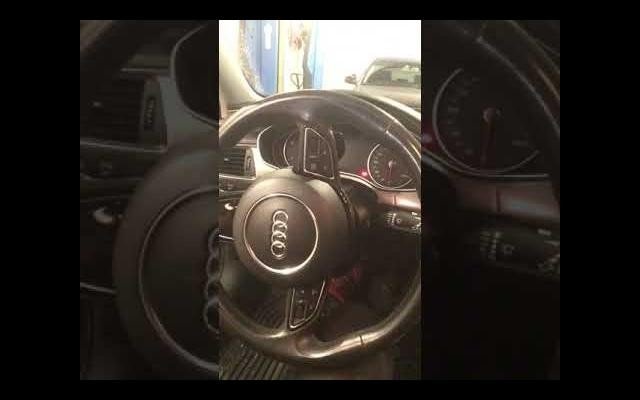
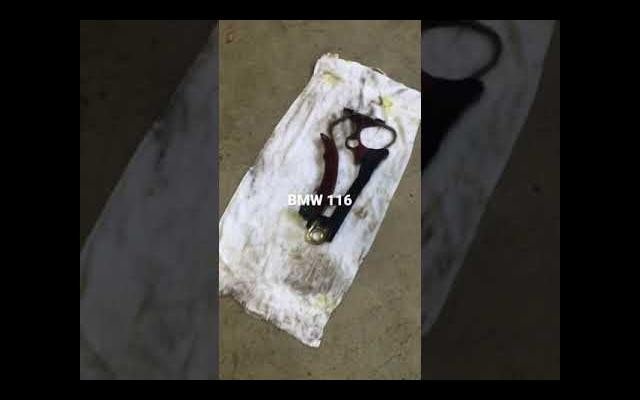
Szulc Motorsport is an independent service center for premium vehicles, specializing in the diagnostics of Audi and other Volkswagen Group brands. We also service selected Porsche, BMW, and Mercedes-Benz models. We cater to clients from Warsaw, Wyszków, and the entire region who expect a real determination of the root cause of a fault, rather than just a basic reading of error codes.
A modern vehicle is not just a collection of independent components. The engine, automatic transmission, 4x4 drive system, braking system, ADAS, 48V electrical network, and dozens of control units exchange data in real time. A single symptom can have multiple potential causes, and a stored fault code often only points to the area where the control unit detected a deviation from the norm.
That is why we never begin diagnostics by randomly replacing parts. We analyze the vehicle's history, the exact conditions under which the fault occurs, stored errors, live parameters, electrical signals, and the mechanical condition of the system. Only after gathering and cross-referencing all data do we present a justified plan of action.
We combine over 20 years of workshop experience with official manufacturer technical documentation, ODIS diagnostics, oscilloscope measurements, specialized testers, inspection cameras, and precise mechanical and electrical measuring tools.
What Does Professional Car Diagnostics Look Like?
Simply plugging in a tester and reading DTC codes is not a complete diagnostic process. A Check Engine light, a drivetrain malfunction message, transmission jerking, or intermittent power loss are symptoms of an underlying issue, but they do not always pinpoint the exact failed component. At Szulc Motorsport, the diagnostic process is conducted in clear stages:
- Interview and vehicle history analysis – we determine when the problem occurs, at what temperature, speed, engine load, fuel level, or battery state of charge. Previous repairs, modifications, and software updates are also highly relevant.
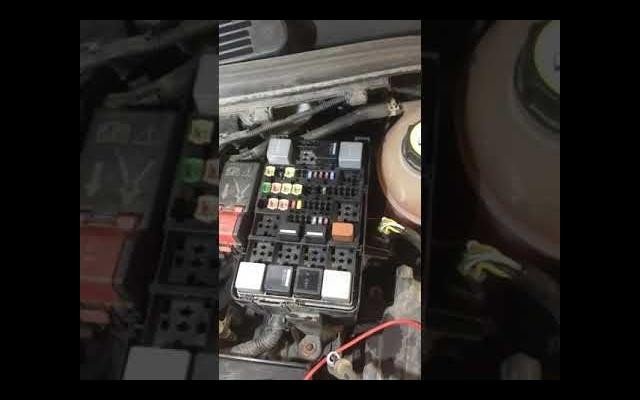
- Preliminary inspection – we check basic mechanical and electrical components, wiring harnesses, connectors, ground points, vacuum lines, and signs of past interference or poor repairs.
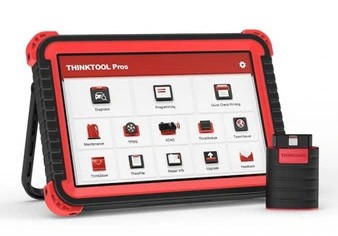
- Full control unit scanning – we read fault codes from the vehicle's entire electronic architecture, analyzing their status, frequency, freeze frame data, and inter-module relationships.
- Live data analysis – we compare the target values requested by the control unit with the actual values achieved. We log data stationary, during test drives, and under full load.
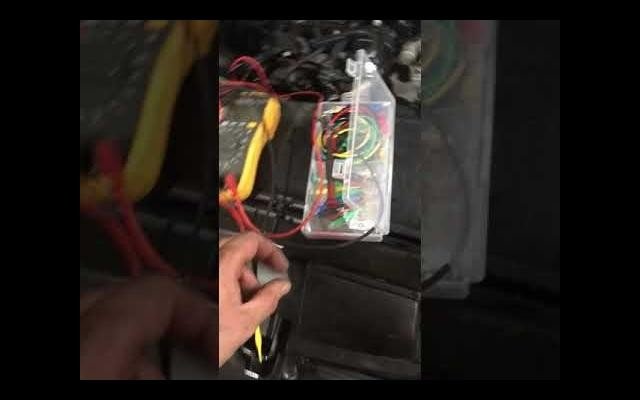
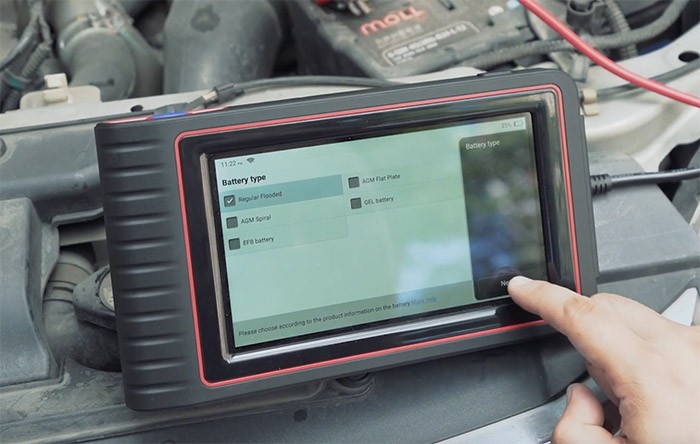
- Confirmatory measurements – we use oscilloscopes, multimeters, pressure gauges, battery testers, smoke generators, inspection cameras, and other tools selected specifically for the case.
- Conclusion and action plan – we provide the client with clear information on what was tested, what deviations were found, and why we recommend a specific repair or further verification stage.
- Post-repair quality control – we re-check parameters, perform necessary adaptations, coding, or calibrations, and confirm vehicle behavior under the exact conditions where the fault previously occurred.
Scope of Diagnostic Services at Szulc Motorsport
We specialize in vehicles where effective diagnostics requires a combination of deep mechanical knowledge, electronics, access to technical documentation, and the right equipment. This covers both permanent faults and intermittent issues.
- Petrol and Diesel Engines – analysis of ignition systems, fuel injection, turbocharging/supercharging, cooling, lubrication, EGR, DPF, GPF, variable valve timing, crankcase ventilation (PCV), and thermal management.
- Automatic Transmissions – diagnostics of DSG, S tronic, Tiptronic, Multitronic, ZF 8HP, as well as TCU modules and mechatronics. We check clutch parameters, pressures, temperatures, adaptations, sensors, and real-time behavior during test drives.
- 4x4 Drive Systems – diagnostics of quattro, quattro ultra, Haldex, xDrive, and 4MATIC, including torque distribution control, multi-plate clutches, differentials, sensors, and inter-module communication.
- 12V and 48V MHEV Electrical Networks – verification of 12V/48V batteries, starter-generators, DC/DC converters, energy management systems, and network communication. More info: diagnostics and repair of Audi 48V MHEV systems.
- Hybrid and Electric Vehicles – diagnostics of HEV, PHEV, and BEV systems within the scope corresponding to our workshop equipment and safety procedures.
- ECU and TCU Electronics – verification of power supply circuits, grounds, input/output signals, communication bus lines, software integrity, and module-to-vehicle compatibility.
- Communication Networks – localization of open circuits, short circuits, signal interference, and communication errors in CAN, LIN, FlexRay, and MOST bus systems. See also: CAN bus network diagnostics.
- ADAS Systems – diagnostics and calibration of radars, cameras, ACC, Lane Assist, Front Assist, Pre Sense, 360° cameras, and Night Vision. Details: ADAS calibration for cameras and radars.
- Fuel Systems – control of low and high-pressure fuel pumps, fuel rail parameters, petrol injectors, Common Rail components, and sensor signals.
- Braking Systems and Stability Control – diagnostics of ABS, ESP, and auxiliary systems, measurement of hub and brake disc runout, and verification of wheel speed sensor signals.
- Cooling Systems and Leak Testing – pressure testing, CO2 combustion leak tests, diagnostics of thermostats, water pumps, control valves, and EGR coolers.
- Batteries and Charging – battery state-of-health (SOH) and charging system tests, including printed results, and diagnostics of advanced energy management modules.
- Video Inspection – assessment of cylinder walls, pistons, valves, transmission internals, transfer cases, or other hard-to-reach areas without unnecessary teardown.
ODIS Diagnostics, Online Procedures, and Module Programming
For Volkswagen Group vehicles, we use the original ODIS diagnostic system along with official online access when a specific manufacturer procedure requires it. This allows us to perform guided fault-finding, adaptations, coding, parameterization, software updates, and module adaptation according to the vehicle's original specification and VIN number.
We also perform procedures related to Component Protection, programming, and matching of control units and keys within the boundaries allowed by technical capability, manufacturer documentation, and the legal origin of the spare parts. We do not install or adapt modules of unknown or dubious origin.
Dealer-level software does not replace physical measurements. ODIS helps guide the diagnostic process, but the final conclusion depends entirely on analyzing the complete system, the fault freeze frames, and real-time test results.
ECU and TCU Software Verification
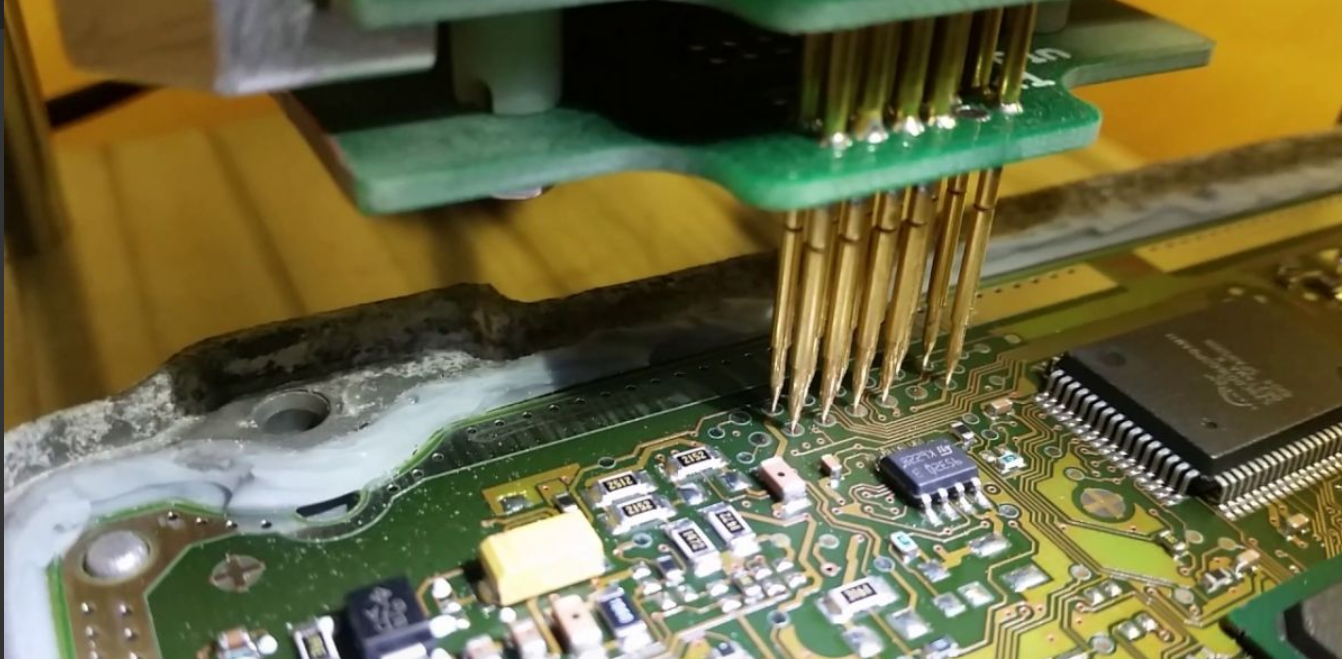
Incorrectly modified engine or transmission software can severely complicate diagnostics, distort torque calculations, negatively affect transmission operation, or mask actual mechanical faults. We frequently encounter vehicles where specific DTC fault codes were intentionally disabled in the software, preventing the control unit from reporting errors despite running on incorrect operating parameters.
In justified cases, we verify the software identification and structure of the ECU or TCU, compare it with the correct factory version intended for the specific vehicle, and can restore the stock software according to the block, engine, gearbox, and equipment numbers. A clean factory base software map is often necessary to restore proper self-diagnostics and begin an accurate fault-finding process.
Oscilloscope and Mechanical Measurements – Confirming, Not Assuming
A sensor fault code does not always mean the sensor itself is broken. The root cause could be power supply issues, poor grounding, a damaged wiring harness, signal interference, a mechanical fault, or incorrect timing synchronization. Therefore, we complement control unit data with physical, real-world measurements:
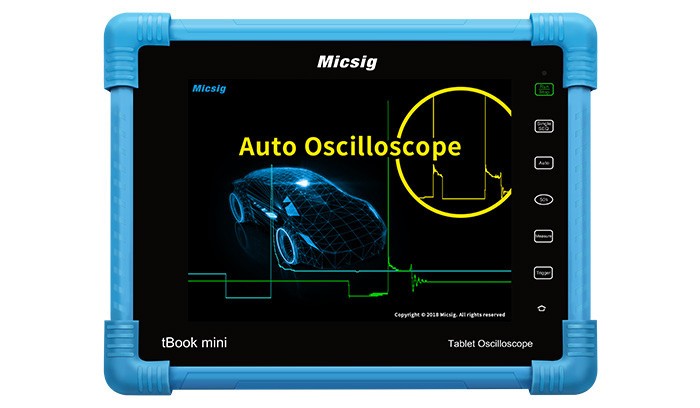
- Oscilloscope – real-time analysis of crankshaft and camshaft sensor signals, fuel injectors, control valves, communication buses, and power supply ripple.
- Compression Testing – classic mechanical gauge measurements as well as relative compression testing based on starter motor current draw.
- Pressure Measurements – precise checking of the fuel system, turbocharging boost, oil lubrication pressure, and cooling system circuits depending on the symptom.
- Voltage Drop Tests – checking wires and electrical connections under real load, rather than just measuring continuity without current consumption.
- Smoke Generator – locating unmetered air leaks in the intake system, crankcase ventilation, vacuum lines, and other closed circuits.
Diagnosing Intermittent Faults Occurring Only in Motion
Many complex problems do not manifest themselves while stationary in the workshop bay. Power loss, jerking, delayed transmission response, overheating, drivetrain errors, or incorrect boost control may only appear under specific engine loads and temperatures. In such cases, we conduct a diagnostic test drive while logging live data parameters, comparing actual system behavior against the values requested by the ECU.
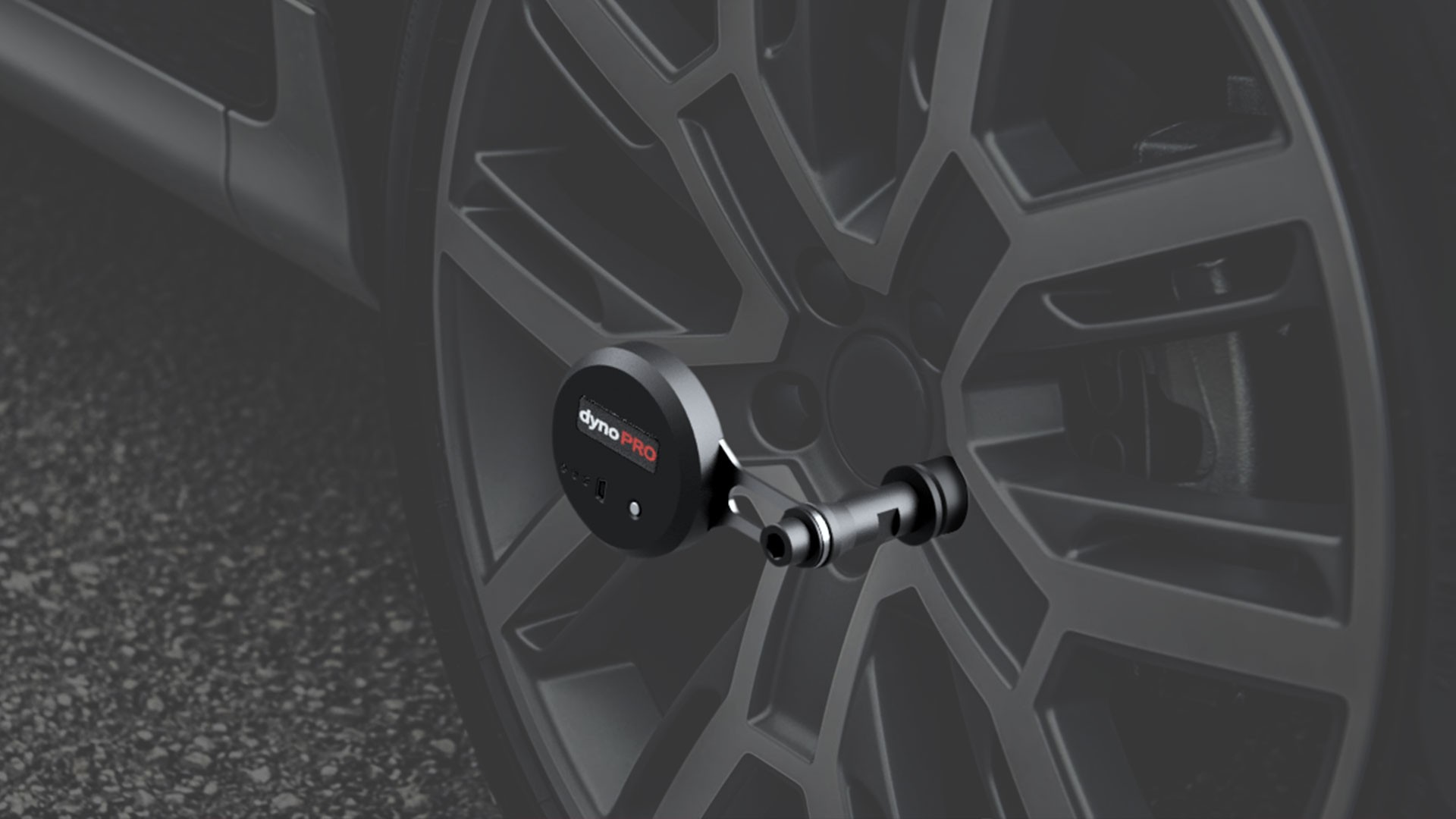
To evaluate real-time performance and power delivery charts, we can also utilize the DynoPro road dynamometer. This serves as a vital supporting tool in diagnosing performance drops, verifying repair effectiveness, and analyzing engine behavior under load.
Control Unit Repair and Cloning
In specific cases, we perform data reading, repair, programming, or cloning of ECU and TCU modules. We utilize original, licensed tools, including DFOX, Autotuner, and Flex. The scope of work is selected individually after identifying the specific hardware block and assessing the feasibility of safe data extraction.
We can back up and recover data from electrically or mechanically damaged control units, transfer the necessary coding data to a donor module, and prepare software fully compatible with the vehicle. Not every repair is technically possible, and not every used module is suitable for reuse, which is why we always conduct a thorough verification beforehand.

Why Proper Diagnostics Reduces Repair Costs
The most expensive diagnostic process is the one that ends with a series of randomly replaced parts. A new sensor, valve, pump, or control module will not fix the issue if the real cause is a corroded wiring harness, inadequate power supply, a vacuum leak, corrupted software, or mechanical wear of a completely different component.
Our goal is to isolate the true root cause as accurately as possible before starting any repairs. We do not claim that every complex, intermittent fault can be identified in minutes. Spooradic issues may require secondary measurements, extended road tests, or recreating very specific conditions. However, the client always receives clear information on what has been verified, what the measurements show, and what the next technically sound step is.
Audi and VAG Diagnostics – Warsaw / Wyszków
Szulc Motorsport serves owners of Audi, Volkswagen, Škoda, SEAT, CUPRA, and Porsche, as well as selected BMW and Mercedes-Benz models. We specialize in vehicles that demand advanced mechanical, electronic, and software diagnostics.
If your vehicle is losing power, jerking, displaying drivetrain fault messages, or having issues with its automatic transmission, quattro system, 48V network, ADAS, or module communication, it pays to start by finding the actual cause instead of blindly replacing parts.
Contact Szulc Motorsport and book your professional vehicle diagnostics session.